ABOUT MAHBUBNAGAR

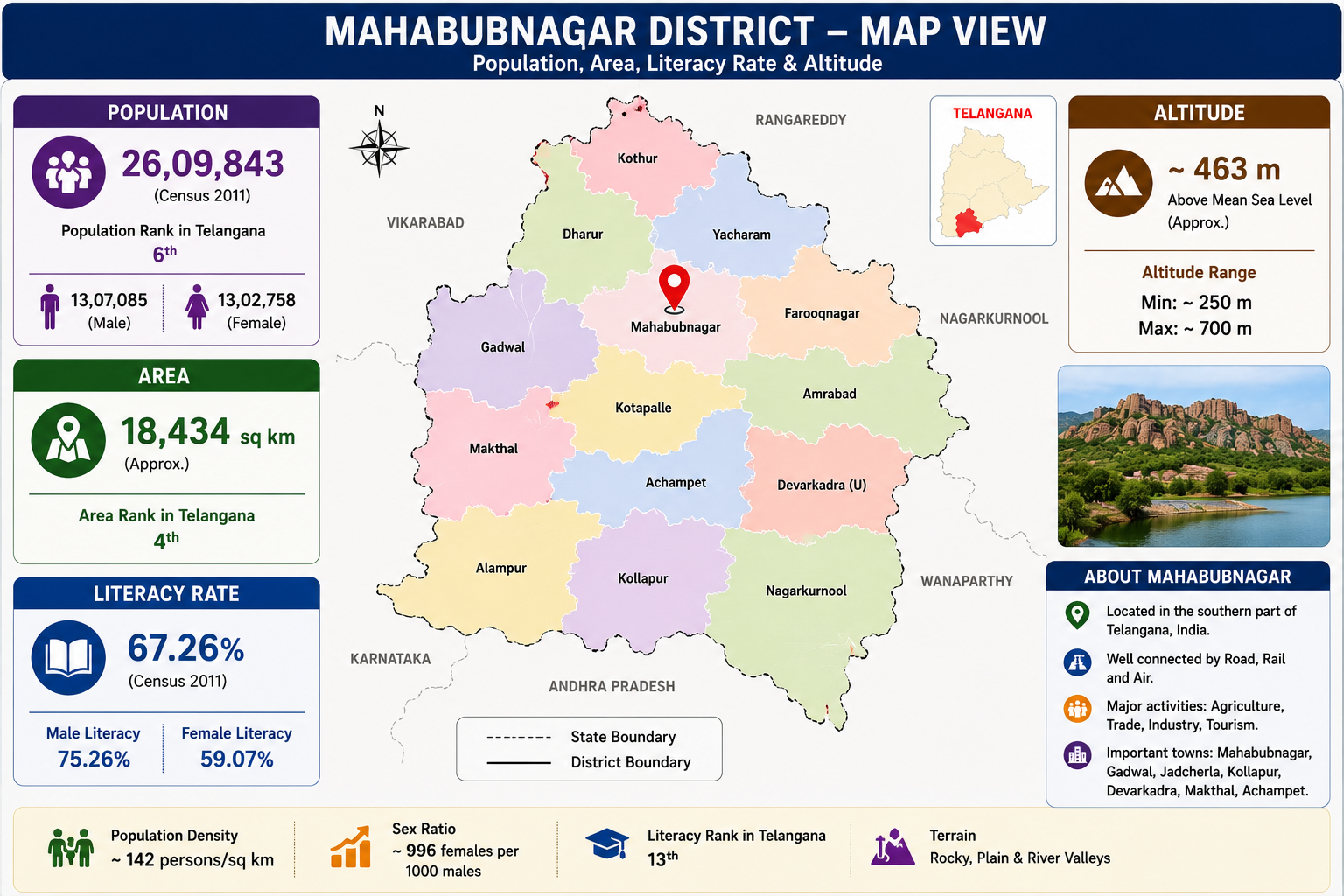
Mahbubnagar is the largest district in Telangana State in terms of area(2737.96 sq. km) covered. It is also known as Palamoor. Mahbubnagar district headquarters town was named after Mir Mahabub Ali Khan, the Nizam of Hyderabad. It is located between 15° 55′ and 17° 29′ N latitudes and between 77° 15′ and 79° 15′ E longitudes. It is bounded on the north by Ranga Reddy district of Telangana, on the east by Nagarkurnool district of Telangana, on the south by Wanaparthy and Jogulamba-Gadwal districts of Telangana and on the west by Raichur and Gulbarga districts of Karnataka State. The area of the district is 2737.96 sq. kms.
Telangana forms the core of the Satavahana Dynasty (221BC-218 AD), Part of Chalukyan Dynasty in South India (between 5th and 11th century AD) and in the recent history, it formed the core of the Golconda State and Hyderabad State, ruled by Qutub Shahi Dynasty (1520-1687) and Dynasty (Asaf Jahi Dynasty) (1724-1948) until it was taken over by New Delhi in 1948. This region became independent and joined in the democratic India on 18th September 1948.
Mahbubnagar(erst while) is southern district of Hyderabad State under Nizam and bordered with River Krishna in the south and surrounded by the Nalgonda, Hyderabad, Kurnool, Raichur and Gulbarga districts.
This place was formerly known as “Rukmammapeta” and “Palamooru”. The name was changed to Mahbubnagar on 4th December 1890, in honour of Mir Mahbub Ali Khan Asaf Jah VI, the Nizam of Hyderabad (1869-1911 AD). It has been the headquarters of the district since 1883 AD. The Mahbubnagar region was once known as Cholawadi or the land of the Cholas’. It is said that the famous Golconda diamonds including famous “KOHINOOR” diamond came from Mahbubnagar district.
OVERVIEW OF MAHBUBNAGAR
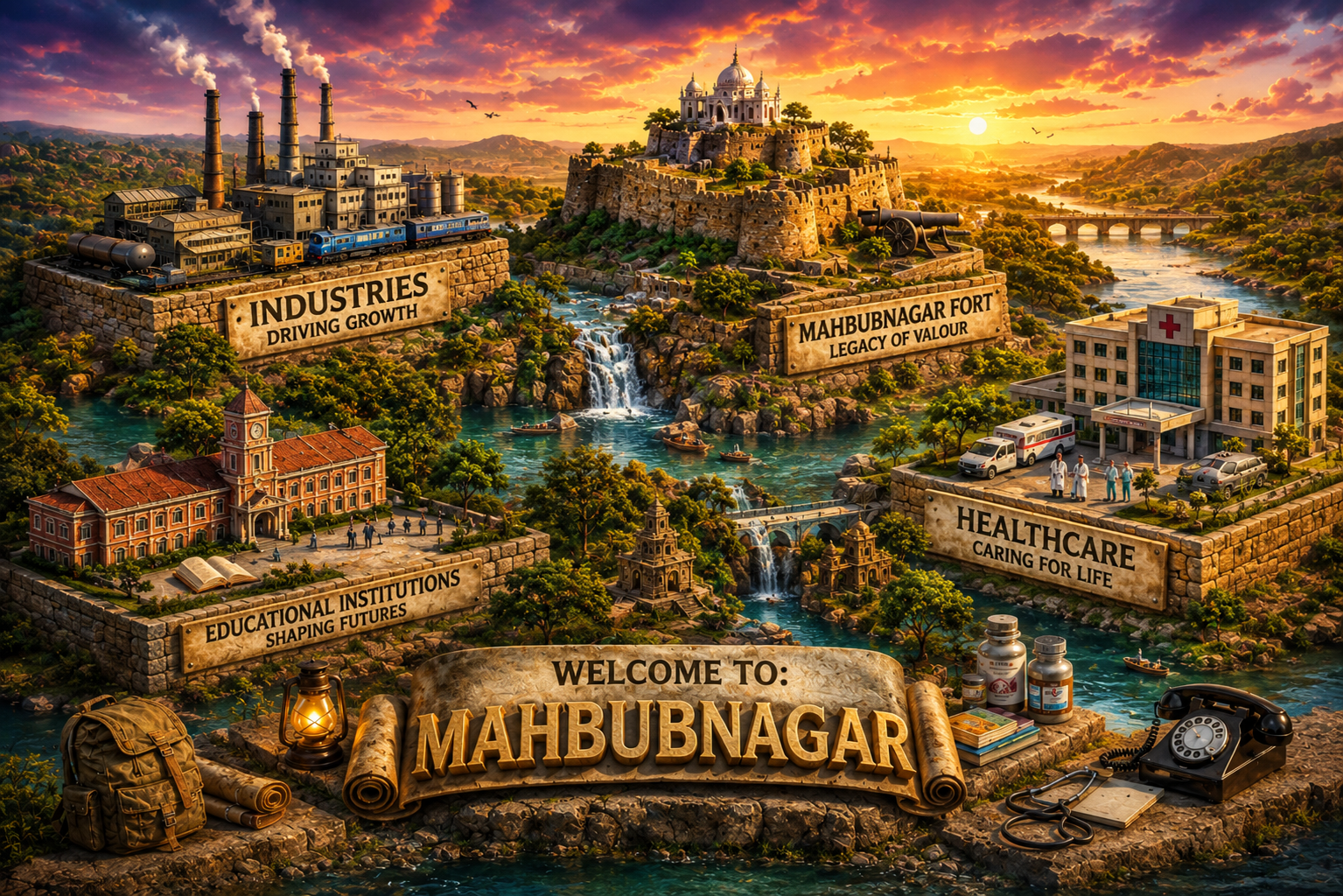
Mahbubnagar is a historic and rapidly developing district located in the southern part of Telangana, India. Known for its rich cultural heritage, scenic landscapes, and strategic connectivity, the district is surrounded by rivers, hills, and forest regions that enhance its natural beauty. Mahbubnagar is famous for landmarks such as ancient temples, forts, reservoirs, and traditional architecture, reflecting its historical importance. The district also serves as an important center for agriculture, education, healthcare, and transportation, connecting nearby regions through national highways and railway networks. With a blend of history, nature, and modern development, Mahbubnagar continues to grow as a significant destination in Telangana.The region is widely known for its historical temples, forts, and spiritual destinations that attract visitors from across the state. Popular attractions such as Pillalamarri Banyan Tree, Koilkonda Fort, Alampur Temples, and scenic reservoirs reflect the district’s deep cultural and historical roots. Mahbubnagar also features several irrigation projects and water bodies that support farming activities and contribute to the district’s agricultural economy. Crops such as cotton, groundnut, maize, paddy, and pulses are widely cultivated in the region.
GEOGRAPHY & LOCATION
Mahbubnagar is located in the southern part of Telangana state, India, and is known for its diverse geographical landscape, historical importance, and strategic connectivity. The district lies on the Deccan Plateau and features a combination of rocky terrain, plains, small hill ranges, rivers, forests, and agricultural lands. Its geographical setting contributes significantly to the district’s natural beauty and economic activities.
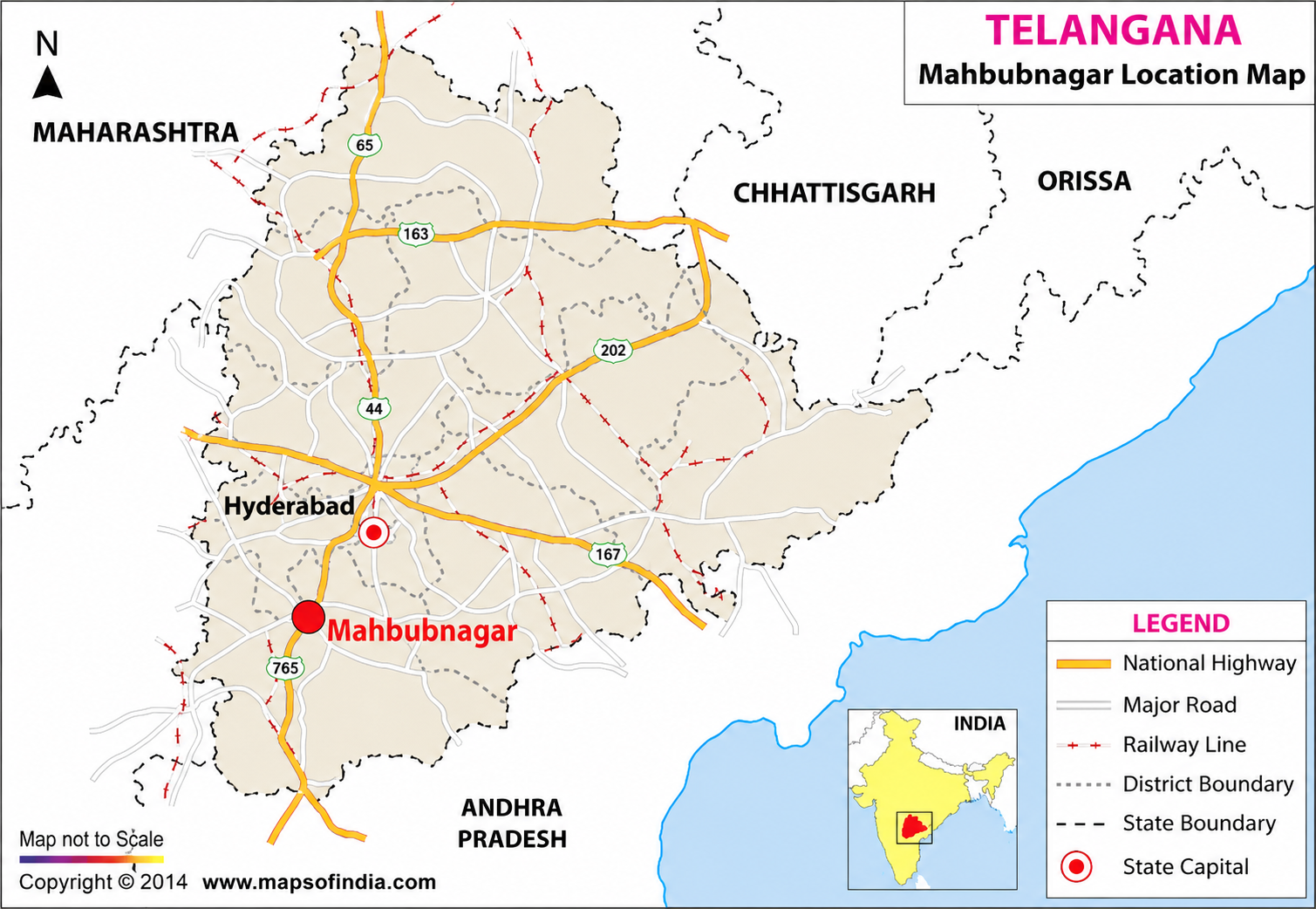
The district is well connected to major cities and neighboring states through an extensive network of national highways, state roads, and railway lines. Mahbubnagar is situated near Hyderabad, making it an important regional center for transportation, trade, education, and development. The district shares boundaries with neighboring districts of Telangana and is also close to Andhra Pradesh and Karnataka regions, enhancing its regional importance. Several rivers and water bodies flow through or near the district, supporting irrigation and agriculture. Reservoirs, lakes, and irrigation projects play a major role in water conservation and farming activities. The climate of Mahbubnagar is generally semi-arid, with hot summers, moderate rainfall during the monsoon season, and mild winters. Agriculture remains one of the primary occupations, supported by fertile lands in several parts of the district.
HERITAGE & CULTURE

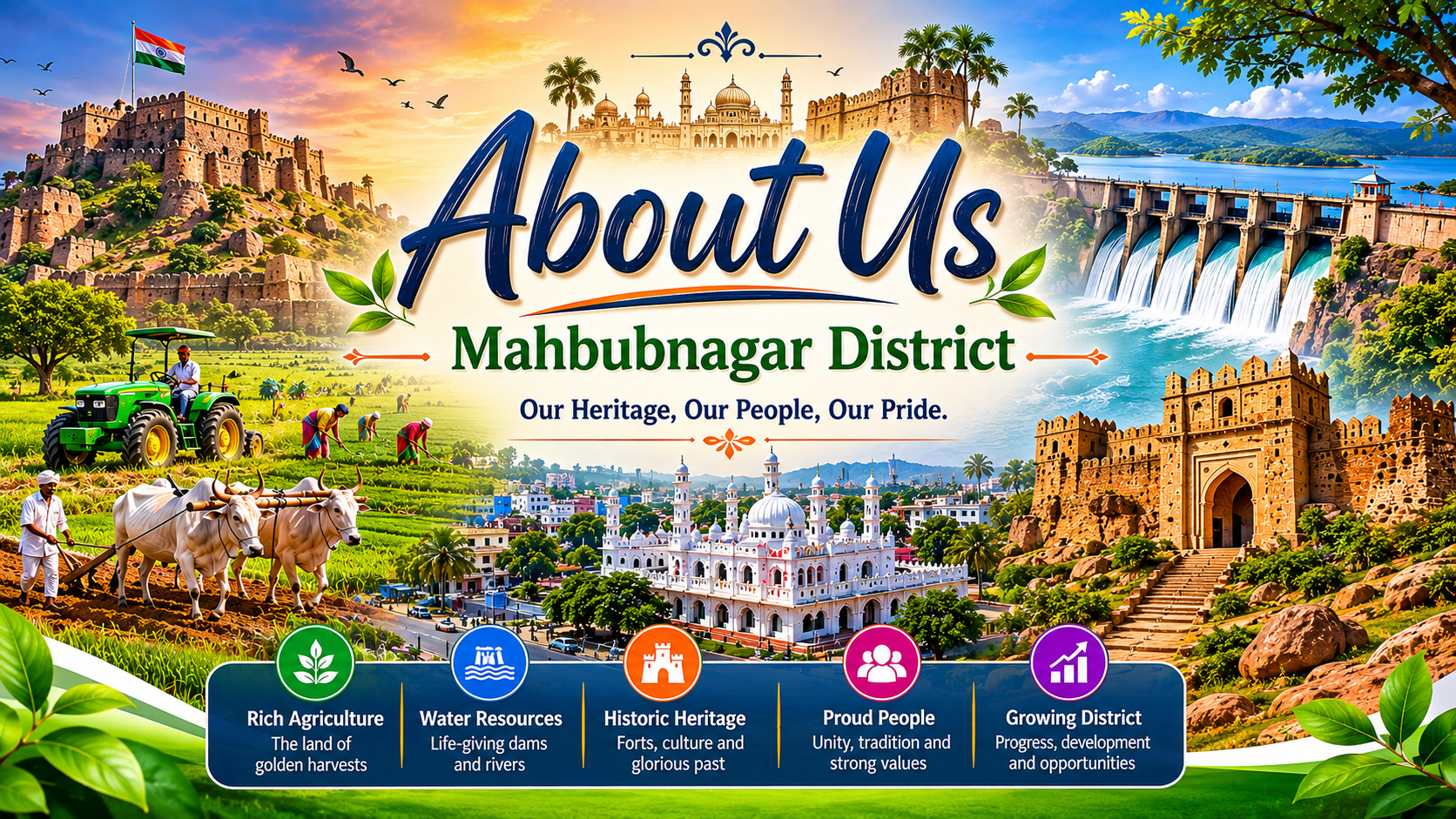
Mahbubnagar, one of the historically significant regions of Telangana, is renowned for its rich cultural heritage, architectural brilliance, and vibrant traditions. The district reflects a harmonious blend of ancient history, spiritual legacy, artistic expression, and rural traditions that have been preserved through generations. The region is home to magnificent forts, historic gateways, ancient temples, and architectural monuments that showcase the craftsmanship and glory of past dynasties. These timeless structures stand as symbols of courage, devotion, and artistic excellence, attracting visitors, historians, and culture enthusiasts alike.
Highlights of Mahbubnagar Heritage :
- Ancient forts and historical monuments
- Rich temple architecture and spiritual heritage
- Vibrant folk culture and traditional festivals
- Handicrafts, weaving, and rural artistry
- Scenic landscapes and cultural tourism
- Timeless traditions and proud legacy
Agriculture-The backbone of Mahbubnagar
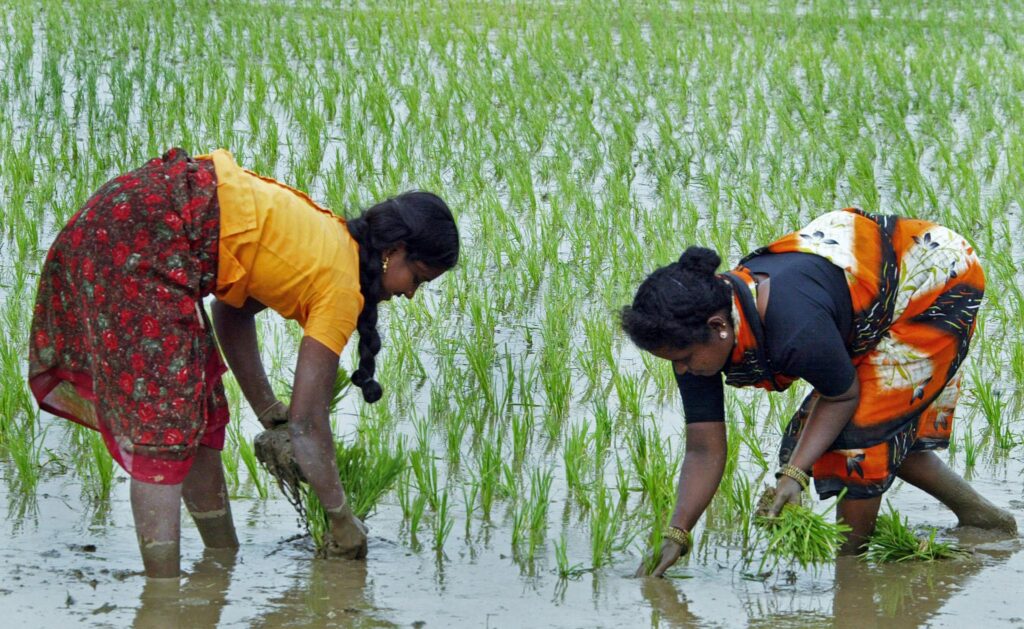
Paddy(Rice)
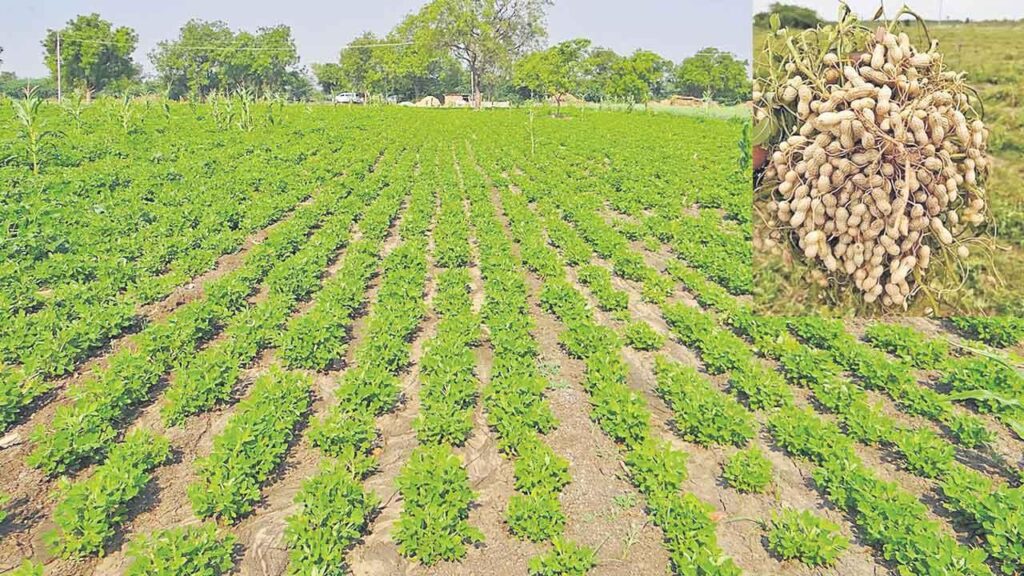
Ground Nut
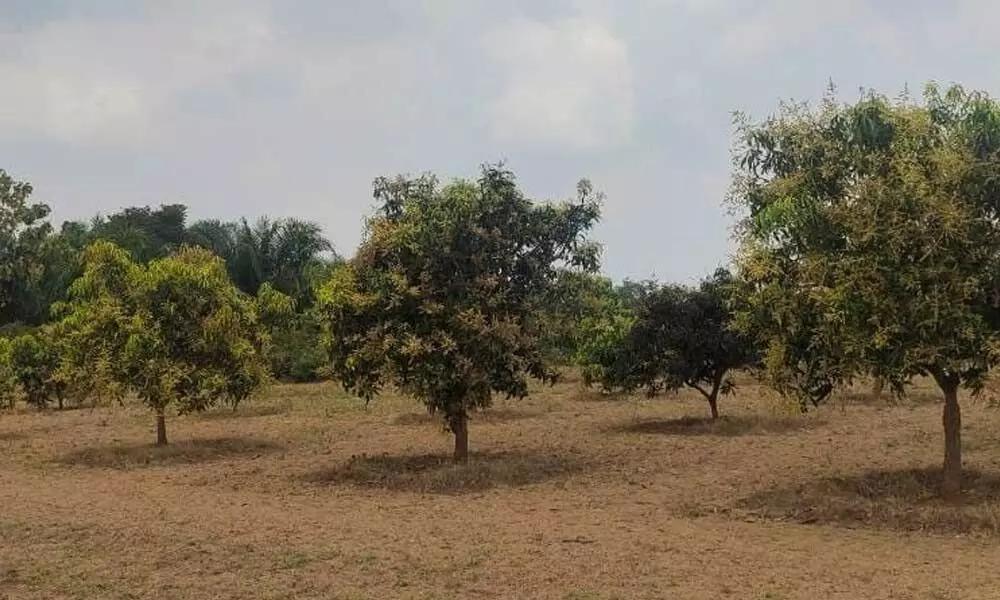
Mango
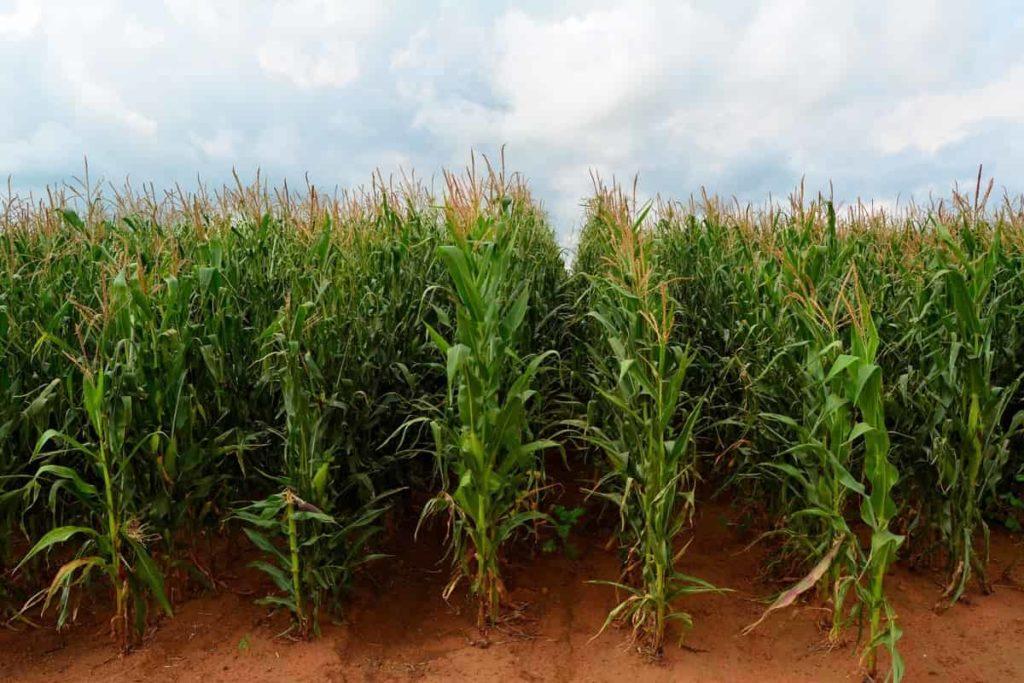
Maize(Corn)
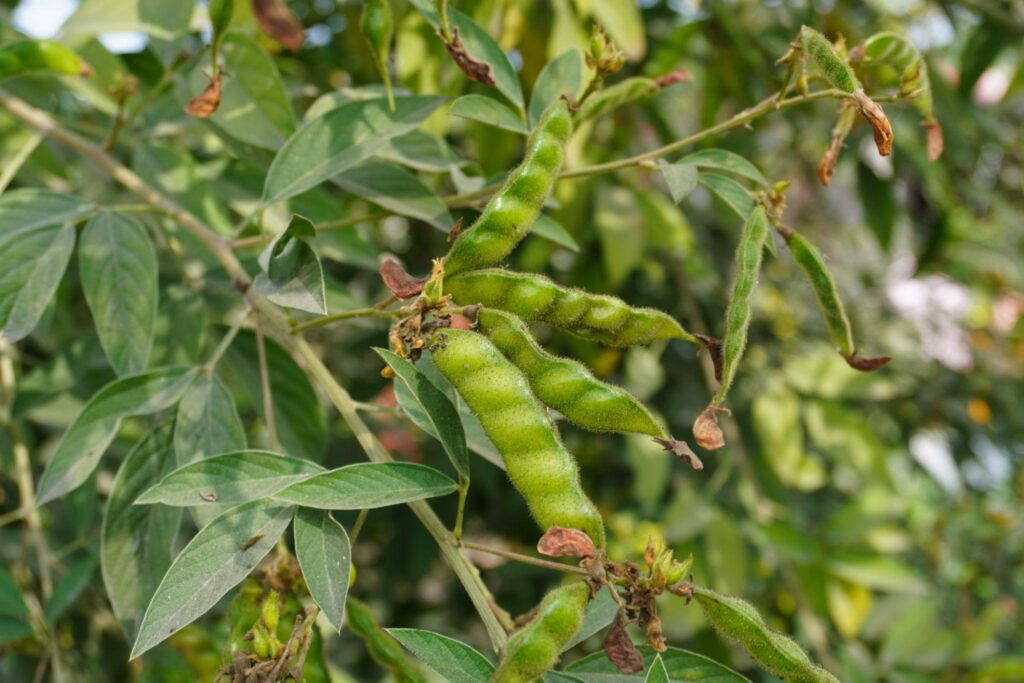
Red Gram( Doll)

Cotton
Economic Strenths of Mahbubnagar District

Agricultural markets and trade play a major role in the economic development of Mahbubnagar. The district is known for its active agricultural markets where farmers sell crops such as paddy, cotton, maize, groundnut, red gram, chili, fruits, and vegetables. These markets serve as important centers for buying, selling, storage, and transportation of agricultural produce. Farmers from nearby villages bring their crops to local market yards and trading centers, helping strengthen the rural economy and improve livelihoods.
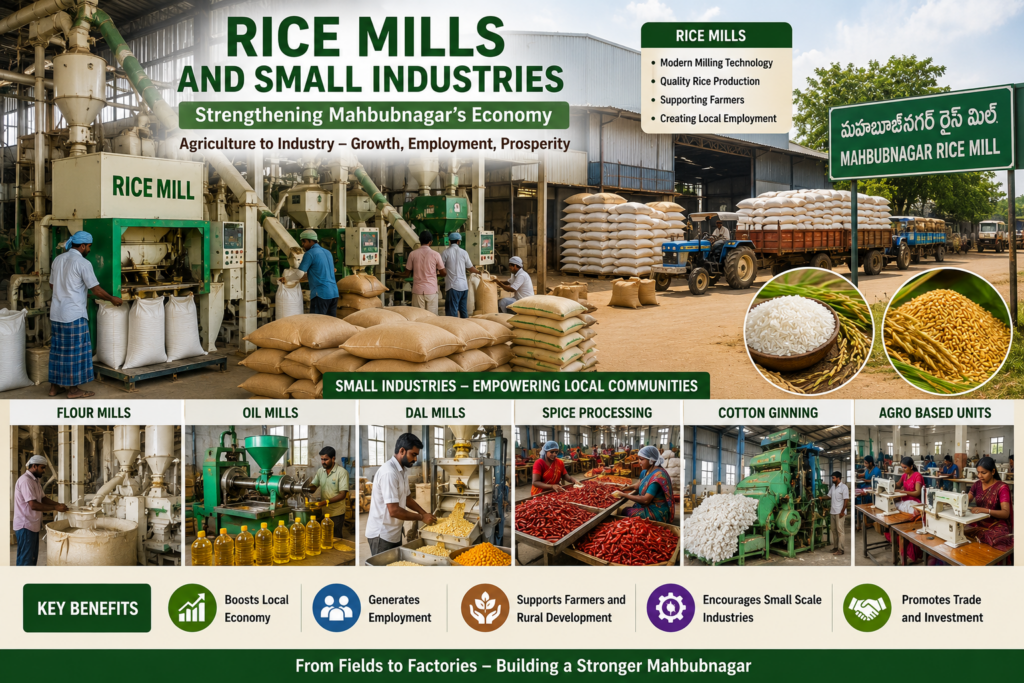
Rice mills and small industries play an important role in the economic development of Mahbubnagar. These industries support agriculture-based businesses and provide employment opportunities for thousands of people across the district. Rice mills are one of the major agro-based industries in Mahbubnagar, where paddy collected from local farmers is processed into rice and supplied to markets within and outside the district. The growth of rice mills has helped farmers sell their produce easily while also strengthening trade and transportation activities.
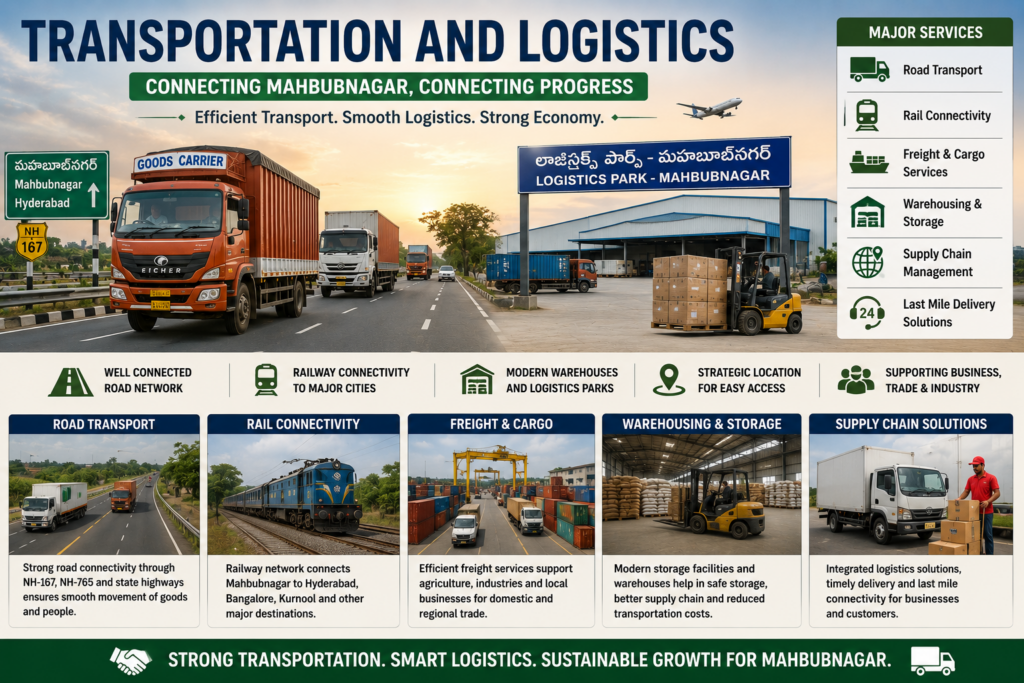
Transportation and logistics play a vital role in the economic growth and development of Mahbubnagar. The district has strong road and railway connectivity that supports the smooth movement of people, agricultural produce, industrial goods, and commercial products. Major highways and state roads connect Mahbubnagar with important cities such as Hyderabad, Bengaluru, Kurnool, and other neighboring regions, making transportation easier for trade, business, and daily travel.

Small-scale businesses and local markets are an important part of the economy of Mahbubnagar. These businesses provide employment opportunities, support local trade, and help strengthen rural and urban communities across the district. Kirana stores, vegetable markets, street vendors, tailoring shops, tea stalls, workshops, mobile repair centers, handicraft businesses, and small retail shops play a major role in meeting the daily needs of people while contributing to economic growth.
Culture and Festivals

The culture and festivals of Mahbubnagar reflect the rich traditions, heritage, and unity of the people. The district is known for its colorful festivals, traditional arts, folk music, dance performances, temple celebrations, and vibrant rural customs that have been preserved for generations. Cultural values such as hospitality, respect for traditions, community participation, and harmony among different religions continue to strengthen the social life of the district. Major festivals such as Sankranti, Bathukamma, Bonalu, Dasara, Deepavali, Ramzan, and Bakrid are celebrated with great enthusiasm and devotion across villages and towns. During festival seasons, people decorate their homes, wear traditional attire, prepare special foods, and participate in cultural programs, fairs, and religious celebrations. Bathukamma, the floral festival of Telangana, is especially significant and represents the cultural pride and traditions of women in the region. Mahbubnagar is also famous for its folk arts, traditional music, village fairs, and handicrafts that showcase the creativity and cultural identity of local communities. Folk performances such as Burrakatha, Oggu Katha, and traditional drum dances bring life and entertainment to festivals and public gatherings. Handicrafts, pottery, weaving, and local art forms continue to preserve the district’s artistic heritage.
Climate
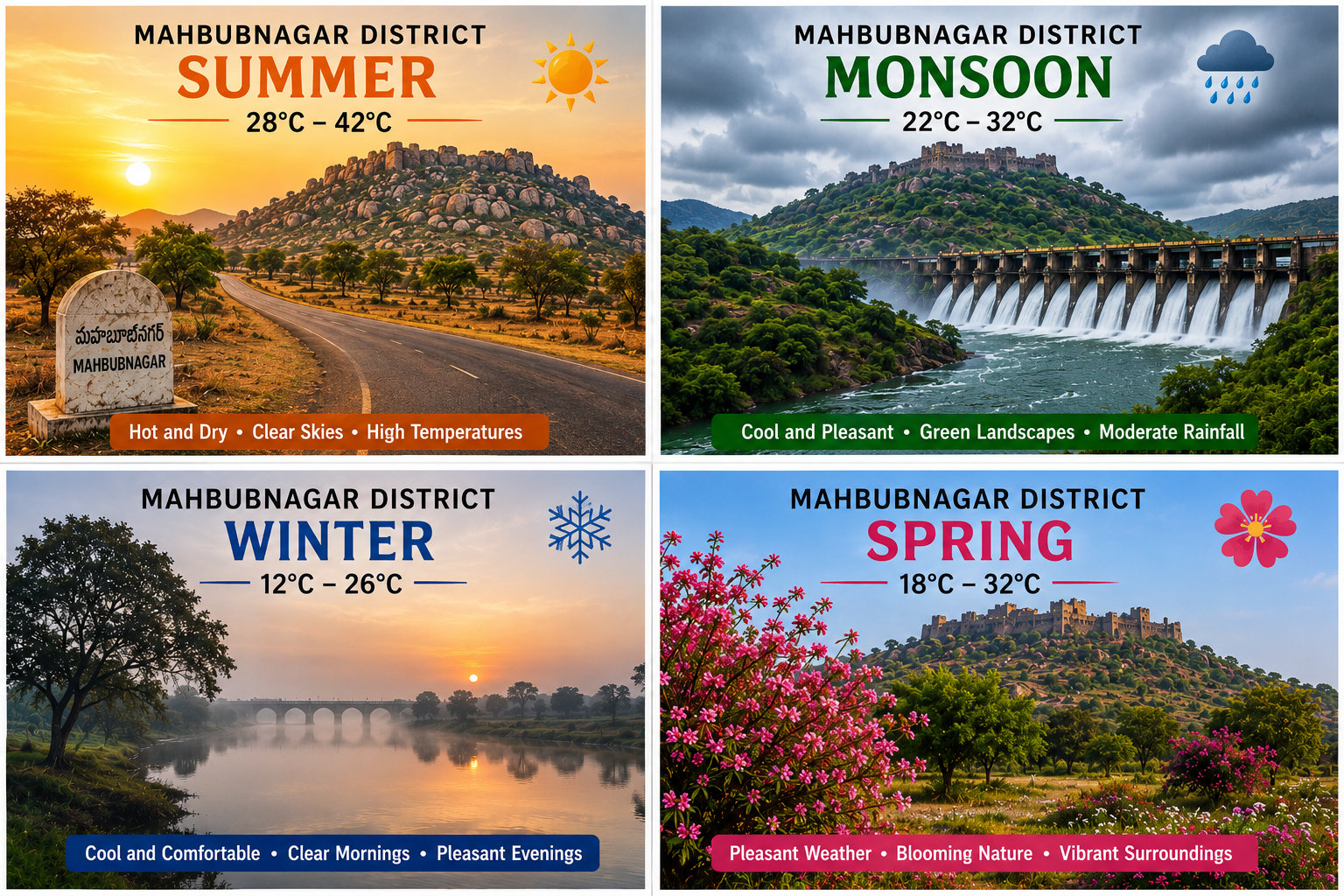
Mahbubnagar district experiences different climate seasons throughout the year. Summer season is usually hot and dry, with temperatures ranging from 28°C to 42°C. During the monsoon season, the district receives moderate rainfall and the climate becomes cool and green, with temperatures between 22°C and 32°C. Winter season is pleasant and comfortable, with temperatures ranging from 12°C to 26°C, especially during mornings and evenings. Spring season brings blooming nature and fresh surroundings, with temperatures between 18°C and 32°C, making the environment colorful and attractive. During the summer season, Mahbubnagar district experiences hot and dry weather conditions. The temperature usually ranges from 28°C to 42°C, and sometimes it may rise even higher during peak afternoons. The days are bright and sunny with clear skies, while the heat creates dry surroundings across the district. Despite the high temperatures, summer plays an important role in agriculture preparation and water storage activities. The strong sunlight and warm winds increase evaporation, causing water levels in ponds, lakes, and reservoirs to decrease. People often prefer to stay indoors during the hottest part of the day and engage in outdoor activities during the early mornings and evenings when temperatures are relatively cooler. Light cotton clothing, adequate hydration, and protective measures against the sun become essential during this season.
Mahbubnagar Road Connectivity
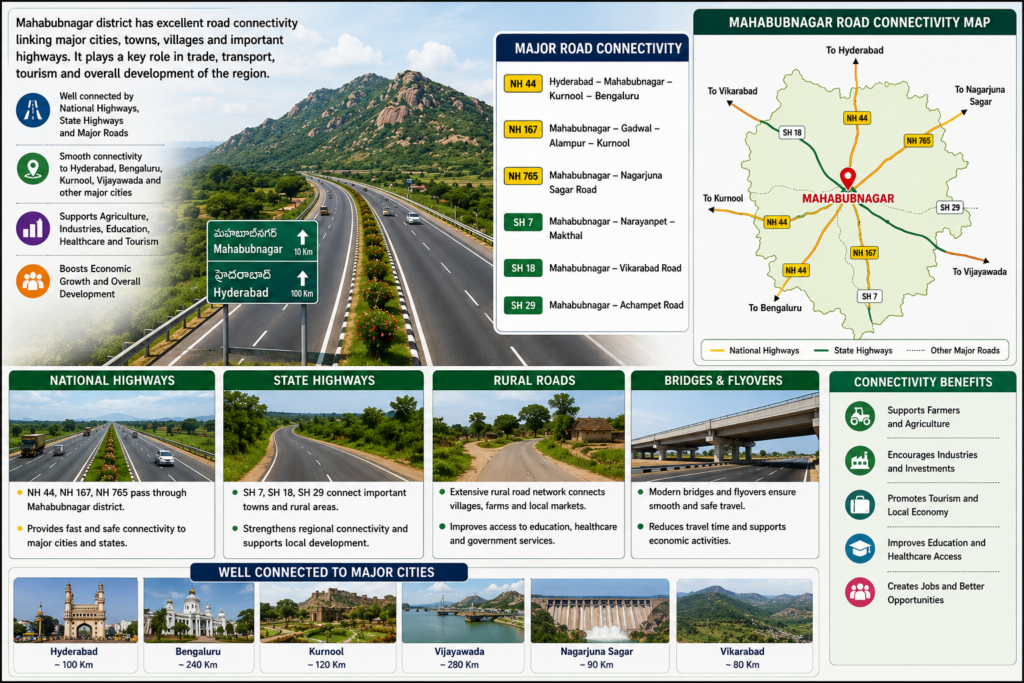
Mahbubnagar district has excellent road connectivity linking major cities, towns, villages, and important highways. It plays a key role in trade, transport, tourism, agriculture, industries, education, and overall regional development. The district is well connected through National Highways, State Highways, rural roads, bridges, and flyovers, providing smooth travel to Hyderabad, Bengaluru, Kurnool, Vijayawada, Nagarjuna Sagar, and other important cities.
Major Highways
- NH 44 – Hyderabad → Mahbubnagar → Kurnool → Bengaluru
- NH 167 – Mahbubnagar → Gadwal → Alampur → Kurnool
- NH 765 – Mahbubnagar → Nagarjuna Sagar Road
- SH 7 – Mahbubnagar → Narayanpet → Makthal
- SH 18 – Mahbubnagar → Vikarabad Road
- SH 29 – Mahbubnagar → Achampet Road
Mahbubnagar Railway Connectivity
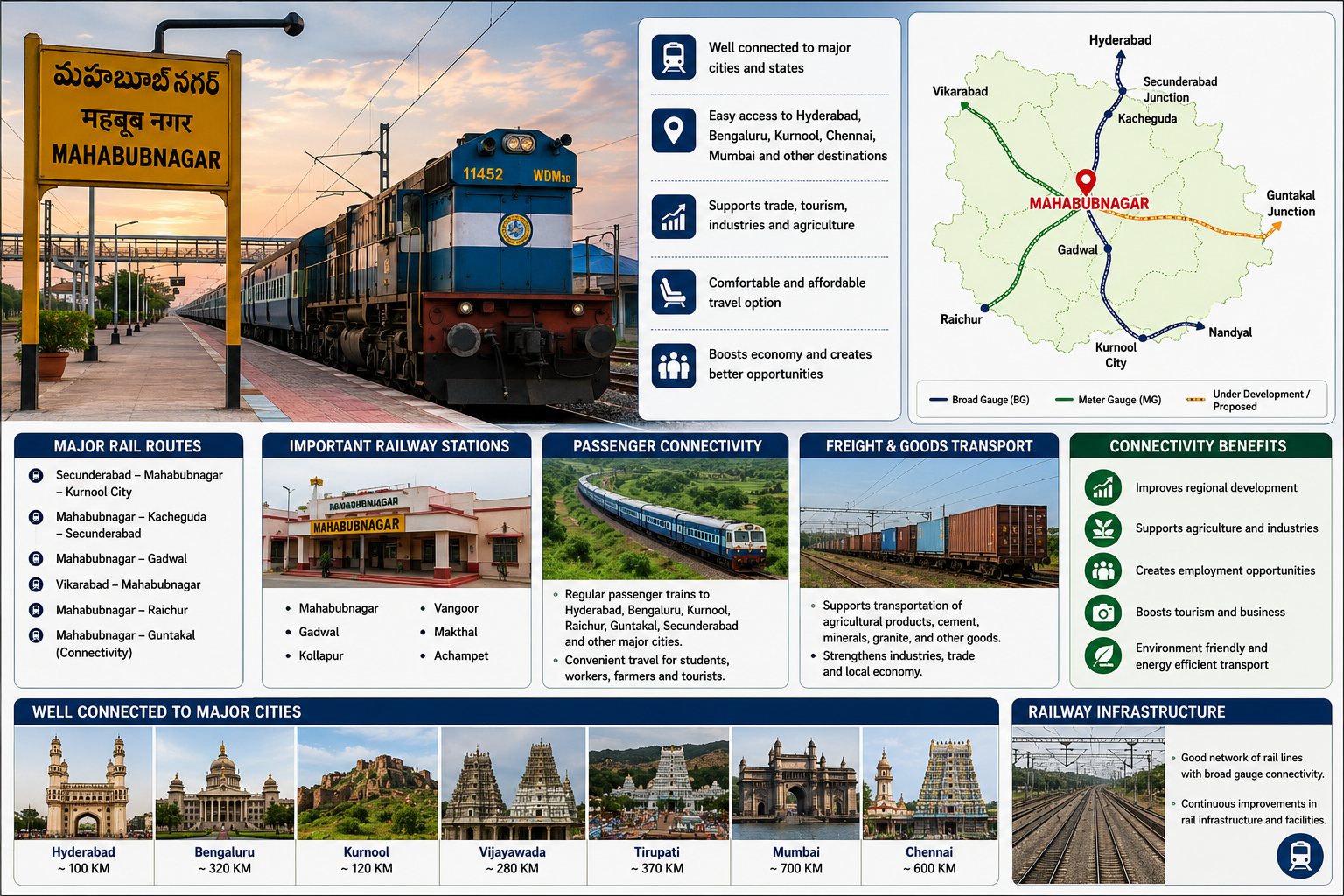
Mahbubnagar district has strong railway connectivity linking important cities, towns, and industrial regions across Telangana and neighboring states. The railway network plays a vital role in passenger transportation, trade, tourism, agriculture, and economic development. Rail routes passing through Mahbubnagar provide smooth connectivity to Hyderabad, Bengaluru, Kurnool, Mumbai, Chennai, Vijayawada, and other major destinations.
Major Rail Routes
- Secunderabad → Mahbubnagar → Kurnool City
- Mahbubnagar → Kacheguda → Secunderabad
- Mahbubnagar → Gadwal
- Vikarabad → Mahbubnagar
- Mahbubnagar → Raichur
- Mahbubnagar → Guntakal Junction
Mahbubnagar Air Connectivity
Air connectivity plays an important role in the development of Mahbubnagar district by improving travel, trade, tourism, business, education, healthcare, and industrial growth. Although Mahbubnagar does not have its own airport, the district is well connected to Rajiv Gandhi International Airport in Hyderabad, one of India’s largest and busiest international airports. The airport serves as a major gateway for both domestic and international travelers, providing seamless connectivity to major cities across India as well as destinations around the world. The airport’s modern infrastructure, advanced passenger services, cargo facilities, and efficient transportation systems support regional economic development and encourage investment opportunities in the district.
- Approximately 100 km from Mahbubnagar district
- One of India’s major international airports
- Extensive domestic and international flight connectivity
- Modern passenger terminals and cargo facilities
- Easy access through road and railway networks
- Supports tourism, trade, business, and economic growth.

Education and Health care
Education Development
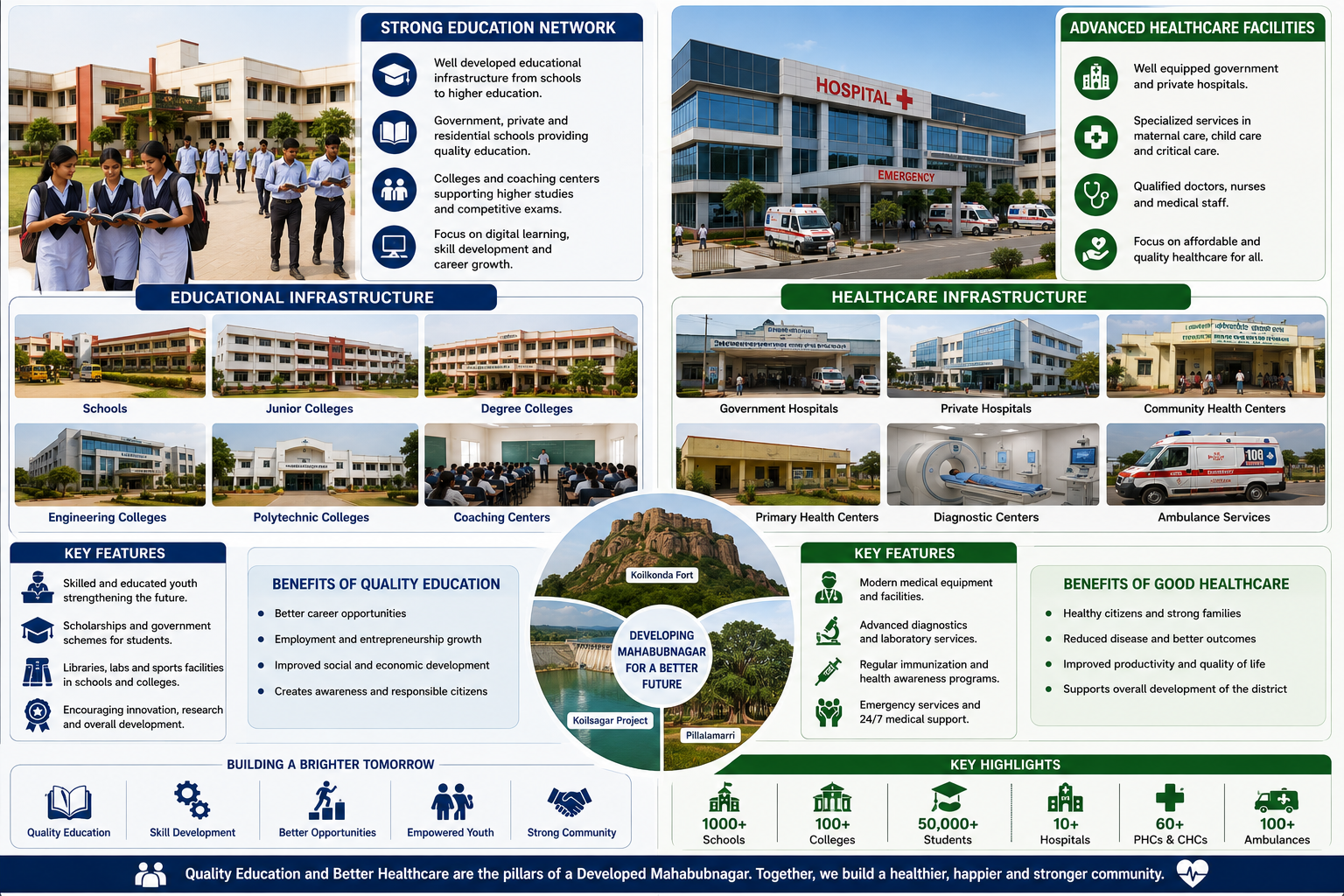
Mahbubnagar has a strong educational network that includes government schools, private institutions, junior colleges, degree colleges, engineering colleges, polytechnic colleges, and coaching centers. Educational institutions across the district help students gain knowledge, skills, and career opportunities.
Healthcare Development
Healthcare infrastructure in Mahbubnagar has improved greatly with the establishment of government hospitals, private hospitals, primary health centers, diagnostic centers, and ambulance services. Medical facilities are helping people receive better treatment, emergency care, and health awareness services.
How To Reach

By Road
Mahbubnagar has strong road connectivity through National Highways, State Highways, and rural roads connecting major cities, towns, and villages. The road network supports transportation, trade, tourism, agriculture, education, and regional development. NH 44 provides smooth connectivity to Hyderabad, Bengaluru, and Kurnool, making travel faster and more convenient for people and businesses.

By Air
Mahbubnagar has good air connectivity through Rajiv Gandhi International Airport, Hyderabad, located approximately 100 km away. The district is well connected to the airport through highways and railway networks, providing easy access to domestic and international travel. Air connectivity supports tourism, business, education, healthcare, and overall regional development.

By Train
Mahbubnagar has strong railway connectivity linking major cities like Hyderabad, Bengaluru, Kurnool, and Chennai. The district is connected through important railway routes and stations, providing affordable and convenient transportation for passengers and goods. Railway connectivity supports trade, tourism, agriculture, industries, and regional development.